教皇的人工智能通谕并不是真的关于人工智能
The pope’s AI encyclical isn’t really about AI
导读
教皇利奥十四世的第一份通谕使用人工智能作为诊断旧问题的镜头:权力集中,民主受到侵蚀,以及技术精英塑造世界自身的优势。
Pope Leo XIV's first encyclical uses AI as a lens to diagnose older problems: concentrated power, eroding democracy, and a tech elite that shapes the world to its own advantage.
原文快照
站内保留一份可阅读的正文副本;如抓取失败,则保留摘要和原文链接。
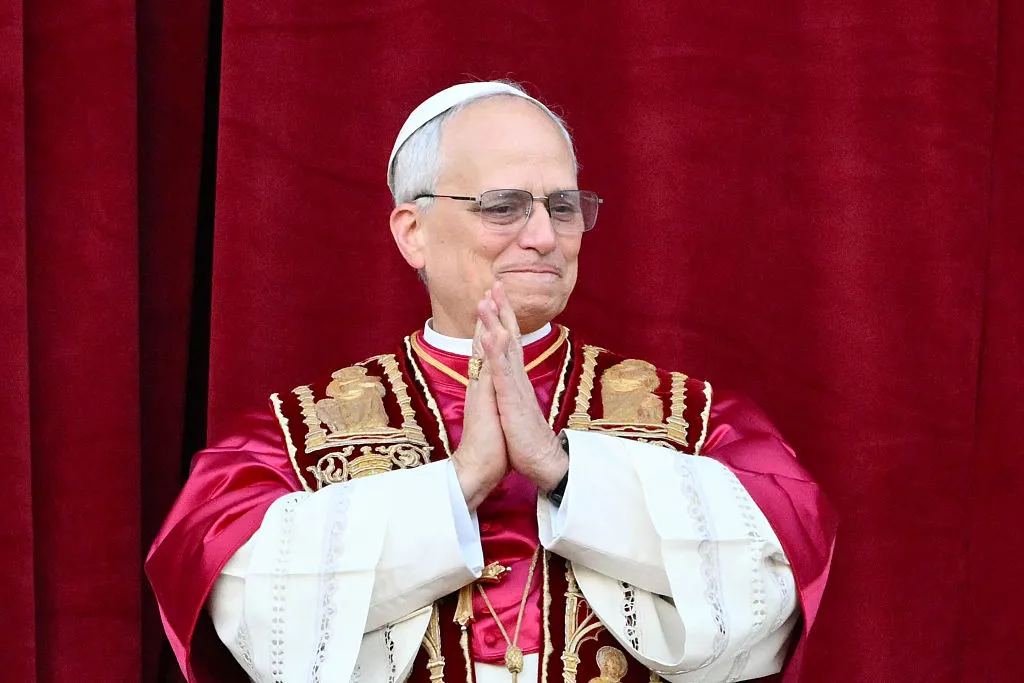
Pope Leo XIV published his first encyclical on Monday. Titled Magnifica Humanitas, it addresses “safeguarding the human person in the time of artificial intelligence.” And while AI is the hook, the problems Leo focuses on are older and more pervasive: inequality, war, the erosion of democracy, and the concentration of power in the hands of those who don’t necessarily care whether humanity writ large remains magnificent.
Throughout the 200-page document, which the pope presented alongside Chris Olah, co-founder of AI company Anthropic, Leo argues that technology built and governed by a small elite cannot, by definition, serve the common good.
“When such power is concentrated in the hands of a few, it tends to become opaque and evade public oversight, increasing the risk of distorted forms of development that give rise to new dependencies, exclusions, manipulations and inequalities,” he writes.
“In fact, as with every major technological shift, AI tends to amplify the power of those who already possess economic resources, expertise and access to data,” the encyclical continues, highlighting concerns that elites can use their power to “shape information and consumption patterns, influence democratic processes and steer economic dynamics to their own advantage.”
The encyclical comes a few days after President Donald Trump delayed signing his executive order on AI, which would have given the government oversight over new models before they are released, reportedly on the urging of VC investor and former White House AI czar David Sacks.
Pope Leo called for AI to be guided by “clear criteria and effective oversight” rooted in participation from communities that will be affected by it. More concretely, Leo called for an end to the AI arms race — the push to build “ever more powerful algorithms and larger datasets” that companies and countries believe will “secure geopolitical or commercial dominance.”
“To disarm means discrediting the assumption that technical power automatically confers the right to govern,” he wrote.
Again, these dynamics predate AI. Pope Leo XIII’s 1891 Rerum Novarum addressed the same concentration of power during the Industrial Revolution, but we needn’t look back that far. Consider Elon Musk’s acquisition of Twitter and his deployment of the platform to help elect Trump, or the hundreds of millions flowing from tech elites into super PACs to block AI regulation — patterns that clearly inspired Leo XIV’s work.
The pope arrives at a conclusion many have already reached: the surreal power and capabilities of today’s AI raise the stakes enormously.
Notre Dame Law School professor Paolo Carozza, a member of the Pontifical Academy of Social Sciences and chair of the Meta Oversight Board, told TechCrunch that AI-driven misinformation and deepfakes have “corroded our capacity to recognize what’s true and what’s not true, and that really has consequences for democratic politics.” The tech industry’s practice of “harvesting and manipulating” human data, he added, poses “fundamental challenges to cognitive freedom.”